Season 2, Episode 5: Magic, Myth, and the Mess: Reimagining Nonprofits with Vu Le
Vu Le on why the nonprofit sector is exhausted—and why it doesn’t have to stay that way
Summary
What if the nonprofit sector isn’t broken because people don’t care—but because we’ve been taught a whole lot of nonsense about how work, funding, and leadership are “supposed” to function? In this episode of Hard at Work, Ellen is joined by writer, activist, and nonprofit truth-teller Vu Le, author of Unicorns Unite and the mind behind the long-running blog Nonprofit AF, for a wide-ranging, funny, and deeply honest conversation about why nonprofit work is exhausting—and how it could be radically better.
Vu breaks down the biggest myths holding the sector back: risk aversion driven by short-term funding, performative accountability obsessed with metrics instead of impact, and workplace structures borrowed from corporate culture that burn people out instead of supporting them. Together, they explore alternatives like four-day workweeks, co-director leadership models, advice-based decision making, and community-centric fundraising—approaches that prioritize trust, expertise, and shared power rather than hierarchy and control. Vu also names how philanthropy’s refusal to fund operations, salaries, and long-term work keeps nonprofits stuck in survival mode while pretending that’s “responsible.”
This episode is especially for fundraisers, nonprofit leaders, and mission-driven professionals who feel tired, disillusioned, or trapped in systems that don’t align with their values. It’s also a reminder that hope doesn’t only live inside institutions. Vu shares powerful examples of community-led action, mutual aid, and collective care that exist beyond nonprofit status—and why reconnecting to community is often the antidote to burnout. Expect laughter, righteous frustration, unicorn metaphors, and real permission to imagine something different.
Keywords: workplace culture, burnout, nonprofit leadership, toxic work culture, equity at work, systems change, mission-driven work, nonprofit burnout, values-driven leadership, humane workplaces, philanthropy, community-centric fundraising
Show Notes:
Buy Vu’s book, Reimagining Nonprofits and Philanthropy: Unlocking the Full Potential of a Vital and Complex Sector, here
Read Vu’s blog, Nonprofit AF
Connect with Vu on LinkedIn
Transcript:
Ellen Whitlock Baker (00:01.528)
Hi everybody and welcome to the Hard at Work podcast. I am so delighted today to be joined by the amazing Mr. Vu Le. Vu, it's so nice to have you.
Vu (00:12.864)
Hi Ellen, thank you for having me on the show.
Ellen Whitlock Baker (00:15.47)
I am so happy to have you here. And I've been a fan of Vu's for many, many, years. Those of you who know Vu, he writes the blog Nonprofit AF, which has been around in different forms for a long time, right?
Vu (00:30.582)
Yeah, about 12, 14 years.
Ellen Whitlock Baker (00:33.004)
Yeah, and for many of us in the nonprofit sector, it's been like this shining beacon of light because it's so funny, but also like you tell the truth about all the hard things, the nonprofit. So I just am so excited that we get to talk today about your new book. So before we get started, I will have introduced you, obviously, with your bio and everything. Is there anything you want folks listening to know about you that you want to share?
Vu (01:01.838)
Let me see, I'm a vegan Yeah, I'm a Pisces. I got two kids. I eat way too much chocolate I'm a fan of the Oxford comma
Ellen Whitlock Baker (01:14.032)
God bless you. Me too. Yeah. Yeah, I, well, I also love chocolate and I'm a Scorpio, so water signs, right? But I worked somewhere where they did not use the Oxford comma and they were constantly editing it out of my stuff and I was, it was awful. Couldn't handle it. It's not the worst thing that's happened to me at work, but you know. Okay, so.
Vu (01:17.974)
good, that's why we get along.
Vu (01:33.504)
Gosh, that's terrible.
Ellen Whitlock Baker (01:42.816)
This book is amazing. It is Reimagining Nonprofits and Philanthropy. And I'll hold it up for the three people that will watch that part of it. But, Vu, I said this to you, like, this book just makes a ton of sense. Like, from the beginning to the end, it is the most sensible book I have ever read with so many excellent pieces of advice for people who are running nonprofits or working in nonprofits and philanthropy.
How are you seeing reception to this? do you still think that, I mean, let me ask you that part first. Like what's the reception been like so far?
Vu (02:25.683)
Yeah, I think you may be one of the three people who've actually finished it, Ellen. Besides my editor. It's been it's been it's I think it's been good people have who have skimmed through it think that it's it's fine. My I think the best is probably my nine year old who started reading through it. He's on chapter four now. And I asked him for his opinion. And he said, it's not as boring as I thought it would be.
Ellen Whitlock Baker (02:53.39)
That's cool. Chapter four is impressive for a nine-year-old made it all the way through.
Vu (03:00.231)
I know, I'm not sure he understands anything that's going on, but I don't know.
Ellen Whitlock Baker (03:05.132)
Honestly, it's really accessible. And that's what I love about it. And that's part of what you talk about too, is just even the concept of using plainer language is something that we should employ in the nonprofit sector. And it's like simultaneously hilarious. Like I'm cackling and then I kind of want to throw it across the room because it's like, it's so messed up. So it's a roller coaster. But what was it? I mean, I know you have been an activist for years, particularly in the nonprofit and philanthropy place. What made you write the book? What got you there?
Vu (03:40.182)
Yeah, I had been writing this blog and I have maybe 650 blog posts written already. There's a whole lot of things that I've been rambling about for long time. And I thought it might be good to just kind of assemble them into a cohesive sort of work here. Yeah, also, I don't know. It's been, there's just so many things going on in the world right now and we just, need nonprofits to really own their power.
Ellen Whitlock Baker (03:46.984)
wow.
Vu (04:10.189)
and to be really effective. And we can't really do that when we have so many all these philosophies and practices and all the BS that we deal with all the time that's preventing us from being as effective as we could be. And so I want to give people some permission to do things and to think a little bit differently.
Ellen Whitlock Baker (04:22.999)
Yeah.
Ellen Whitlock Baker (04:30.667)
And it really does. I went to the Evans School at UW. I have an MPA. And I wish this is the book I had read in my nonprofit management class, because it's all very well laid out. And maybe I'm talking about the book for people who probably haven't read it. Do you want to a quick outline of the issues with nonprofits and philanthropy, but particularly looking at the workplace? What are some of the glaring things that you talk about and write about in the book?
Vu (05:03.485)
Yeah, the book is divided into several chapters. Each chapter tackles one particular subject. So there's chapter on fundraising, one on hiring, one on DEI, know, board governance and so on. And also, of course, workplace culture. But yeah, it's just trying to examine some of the things that have not been effective, that have not been working for us.
The issue with the workplace is that we adopt a lot of things from the corporate world and many of those things don't necessarily work and we just kind of take them as gospel. We're like, well, this is how it should be.
Ellen Whitlock Baker (05:44.578)
Right.
Vu (05:46.49)
And it's exciting for me to go and talk to some people in the sector who have started exploring different things. And some of it is really cool and radical. So I talk about, example, mean, a simple example is like the four day work week, which is starting to be on the rise. People are starting to think about like, why do we need to work five days a week? Why do we need to work 40 hours? And of course, many of us work way beyond 40 hours a week.
Ellen Whitlock Baker (05:55.245)
Mm-hmm.
Vu (06:13.717)
And it was fascinating to kind of do some research around that and it turned out that I think The president who signed it originally was had even more liberal Policy that he was gonna sign I think it was like a 32 or 30 hour workweek imagine we could have had a 30 hour workweek.
Ellen Whitlock Baker (06:30.677)
Love it. Well, I feel like that's what has been interesting for me at being out on my own this year and not having a boss and being able to work whenever I want. I work less than 40 hours a week probably, but I'm much more effective because I'm not sitting in meeting after meeting after meeting about meetings, which I think we have a problem with.
Vu (06:58.803)
Yeah, yeah, well, don't know, there's there are things people are doing related to work culture, but there's also like leadership structures and things, you know.
Ellen Whitlock Baker (07:06.859)
Yeah, yeah, talk about that. I loved the ideas. You talked about a co-ED model. Can you say a little more about that and then maybe what some of the other structures are that you're seeing start to be effective as people are trying them out?
Vu (07:21.277)
Yeah, well, I mean, we have the sort of traditional top-down hierarchical model of having one person at the top of the pyramid, the CEO or the ED. But now people are starting to explore different other structures, including co-directorship, where there could be two or even three or more directors kind of sharing responsibilities and authority.
We also have maybe some that are like leaderless, and it's a very flat structure where everyone is basically the same and it's, you know, self-governing and there's lots that go into it. You have to kind of create this, this sort of, culture. You have to be grounded in values. You need to have like a strong culture of feedback giving and receiving in order for it to work. of course there's also like different decision-making models that also go into these different leadership structures and I think it's really exciting. I mean it doesn't mean it doesn't they don't always work right because like they have their challenges as well but I think it's really cool that organizations are starting to explore some different structures.
Ellen Whitlock Baker (08:30.411)
Yeah, me too. And I had not heard of many of the ones that you bring up. And I think you say this, but we are so ingrained to want things to be stable, I think, that like, when we change something and it's rocky, which it probably will be, because it's so new and different, and you're going against every system that is trying to keep it hierarchical, it's like,
It's so nice to hear that there's groups that have the patience to let it be rocky and use that to keep iterating and creating and co-creating these new leadership models. I don't know. One of the things that I see a lot is just this massive resistance to change. And you talk a little bit about immunity to change in the book, which is one of my favorite models, but like, what?
What are you seeing? You talk a lot with nonprofits. What are you seeing as ways that maybe people who are in a hierarchical nonprofit and really want to make change but maybe aren't at the tip top of that particular model, what are you seeing as ways that they might be able to ignite the spark?
Vu (09:51.722)
Yeah, well, at my last organization, I have to give a lot of credit to the managing director, Ananda Valenzuela, who we brought into to do a lot of work. Because as the solo ED at that time, I was not doing so well. I was burning out and I was not there for my team because I was out fundraising and doing everything else as a startup nonprofit. And it was really challenging. So when Ananda came, we started kind of exploring and that was basically just having a conversation about this and then starting to do, I think there was a book club that we did. We read Lalu's book, Reinventing Organizations and started kind of discussing one chapter at a time just to talk about.
What's going well? What can we learn from this? Are we ready to maybe try some of these things? We started exploring the advice process of decision making, where whoever is closest to the issue gets to make the decision, the final decision, as long as they check in with people who are most affected by their decision and they check in with folks who may have advice that could give them, would help them make the best decision.
Vu (11:13.589)
And then once they do that, then they, they're the ones who make final decisions. And I, as the ED cannot veto their decision. You know, I can't veto you if you're the development director and you want to do something that's development related, then I can't, I can't veto you. You know, I can, I can encourage you to, uh, to, check in with people who are affected by the decision.
Ellen Whitlock Baker (11:19.998)
Wow.
Vu (11:34.006)
and so on and maybe there's some sort of hazardous thing like safety issues or legality that I might need step in but otherwise it's your decision and it was really interesting kind of starting to talk about and implement and kind of go through the sort of the process for this. I would encourage people to one give themselves permission to even think about these things because I think a lot of people just don't even consider that there are other structures possible.
Ellen Whitlock Baker (11:41.132)
Sure.
Vu (12:03.719)
And so they're not given this permission to think differently. And then once you do, then you need to start getting other people to be on board. And that just starts with awareness being raised. So maybe forward an article or something, start a book club and start discussing it. It may take a couple of years to really get it rolling though.
Ellen Whitlock Baker (12:27.413)
love that. The book club is a good idea or the article. Yeah, even I have been studying the workplace and how to sort of turn it upside down this whole year. And I hadn't heard of a number of these models. I love this advice based or advice process of decision making. my gosh. Does that not make so much sense? Like why don't we do it? It just cracks me up because it just like the way you explain it's like of course the person closest to the problem or the whatever makes the decision but they get consensus and make so much sense.
Vu (13:04.581)
Yeah, it does. But like we, we just we inherit all these customs and cultures, especially from the corporate sector.
Ellen Whitlock Baker (13:12.364)
Mm-hmm. Mm-hmm.
Vu (13:13.749)
And we don't think that, you know, this is all made up. This is made up. And sometimes it doesn't make any sense at all. I see this all the time. I've experienced it where you are the expert in something. You're brought in, whether you're an evaluation expert, whether you are a programmatic expert or operations or whatever, right? You bring in someone who's brilliant. Let's say you bring in an HR person who's brilliant at HR. I mean, that's why you bring them.
Ellen Whitlock Baker (13:21.782)
Yeah.
Vu (13:40.33)
But then you're now vetoing all the stuff that they recommend, right? It's demoralizing, right? Why bring in experts and then ignore them? But that's what we do all the time in this and other sectors. the advice process kind of helps to really lift up the experts into the role of the decision maker because they would have the most knowledge to make the best decision there.
Ellen Whitlock Baker (14:10.7)
Yeah. And it's honestly easier for the leader. Like if you have a hierarchical structure and you're a leader, let it go and let the expert make the decision. It's so stressful to feel like you have to be an expert at everything when you're an ED. mean, first of all, there's way too much being thrown at you that any human can do in a day. But also, you're supposed to be good at it all. And like know how to do every job in your organization. And that's just unrealistic, right?
Vu (14:42.247)
It's unrealistic. It's yeah. mean, besides it being demoralizing for everyone else, it's also demoralizing for you because now you have to feel like this constant burden of being perfect in every single area and I remember being so stressed out because I was in that traditional model where I was the sole ED. And once we started switching to this advice process of decision making and the other staff had their areas where they can make their decision, it was so relieving.
Ellen Whitlock Baker (15:14.284)
Yeah.
Vu (15:14.293)
And it was more meaningful for them to make these decisions. Sometimes I get consulted on it. But then at the end, I'm like, yeah, I trust you to make this is your decision to make. And then I had my own areas that I can now focus more attention on to do a really good job checking in with people most affected and so on, because I'm only responsible for these decisions in my area of expertise and authority.
Ellen Whitlock Baker (15:38.466)
Yeah, yeah, and with the co-EDs, or the co-directors in that model too, you really can share, know, like not everybody does everything the same way, or there are some things that you might enjoy doing more or just have more of an affinity for it than someone else.
it just makes a ton of sense because if you're an amazing fundraiser, which is a whole other conversation, but if you're an amazing fundraiser and that's taking all of your time and then you have a co-director who's really good at the budget, like great, like why not? Yeah.
Vu (16:16.307)
Yeah, yeah, I really appreciated just being able to focus on what I was good at because I realized actually I was not very good at supervising people. You know, and because you're a coach, right? And with a coach, you need to have certain coaching skills where you have where you guide people to.
Ellen Whitlock Baker (16:26.475)
Yeah!
Vu (16:38.579)
the solutions that they already inherently know and so on. You ask questions like, so what do you think would be the best? And I don't have any patience for that. I'm like, you didn't do this and this and you didn't have done it already, okay? Fire that person or whatever. Right, so and I realized, you need someone who actually enjoys coaching. So when we brought in Ananda, who is brilliant at coaching.
Ellen Whitlock Baker (16:41.953)
Yeah.
Ellen Whitlock Baker (16:57.089)
Ha ha ha!
Vu (17:05.493)
and who does not enjoy fundraising, which is something that I'm good at and I enjoy doing. So we made a really good team.
Ellen Whitlock Baker (17:16.117)
Yeah, that's so awesome. That's funny. It's so true, too. And I just think about how you can be really miserable at your job because of one part of it, that either you're not good enough, like you're not performing in or whatever, or you just really don't like doing. And what a great way to keep more people around by sharing jobs in that model, like sharing the power, sharing the responsibility. It's again, everything in this book makes complete sense. It's like, why aren't we doing it already? And what do you think the biggest resistance is to any of this?
Vu (17:58.699)
The bigger, I think people are, we have been trained to be very risk averse in this sector. And in chapter two, I talked about like the nine horsemen of philanthropic and nonprofit ineffectiveness. And, you know, like we've become like, we've had this learned helplessness as one of the horsemen. Yeah, like it's like the risk aversion. And who can blame us? All these funders have always been like, well, if you don't, if you, if you don't meet all these outcomes, if you fail at reaching them, we're just going to remove your funding.
Ellen Whitlock Baker (18:35.596)
Yeah.
Vu (18:35.906)
And most funding is only one year. And so if you don't get a renewed, like you're screwed. So yeah, over time, it just trains everyone in this sector to be risk averse. Whereas if you look at like the corporate world, for example, they they're okay with failing and they've had some spectacular failures to the point that I don't think any of us can even imagine. I talk about Juicero, the Wi-Fi connected juicing machine in there, right? That's one of my favorites.
Vu (19:05.72)
It's a Wi-Fi juicer. I mean, as a Wi-Fi connected juicing machine and you buy these proprietary packets of cut up fruit and vegetables for like $7 each and it squeezes out one glass of juice per packet and Bloomberg did an investigation where they just squeezed them by hand and got the same amount of juice, but I think faster. But they had a hundred, mean, before they went bankrupt, they were boasting that they had $125 million in venture capital, right?
Ellen Whitlock Baker (19:35.147)
Yeah. Yeah.
Vu (19:35.895)
And they had 50 full-time engineers and food scientists with PhDs working to design this Wi-Fi connected juicing machine. And over here, we're just so terrified. And we feel we are made to feel bad because we asked for like $10,000 to end homelessness or something. Right. So a lot of these philosophies and practices, we really need to unlearn.
Ellen Whitlock Baker (19:52.479)
Yeah, right, this giant problem. Yeah, and that doesn't go...
Ellen Whitlock Baker (20:00.746)
We absolutely, love the word unlearn and yes, I interviewed Lindsey Jackson, who interviewed you for this, yeah. And she talked a lot about unlearning and it was so, it's such a good concept because it's just as hard as learning something new is unlearning something you know, but it's really kind of what it's gonna take, especially those of us who've been around for a while.
Vu (20:11.772)
I love that's it. Great
Ellen Whitlock Baker (20:28.713)
and who went to school to like, you have a social work degree, like we went to school to learn how to do the things and we learned the frameworks. And those are all subject to change, you know. I was thinking about...you talk a lot and I want to get into philanthropy a little bit because it's my background too. You talk a lot about this sort of the reluctance of our funders, whether they're donors or a foundation or whatever, to support nonprofits from the actual like logistical side. Like no one wants to fund operations money or salaries. And that is the experience that I have had too working in higher ed for a long time. They want to fund the shiny thing. They want the money to go directly to someone in need, which is awesome. And I understand that, but also how are we supposed to do our jobs? And so this has been a problem for a long time. You talk about the conservative right wing. I don't even know what to.
Vu (21:36.554)
Mm-hmm.
Ellen Whitlock Baker (21:39.404)
the whole system and how they do things in a way that actually lets their nonprofits and their sort of organizations, think tanks, whatever, really succeed. Can you share a little bit about that and what you see them doing differently than what we liberals are doing?
Vu (22:02.806)
Yes, there has been so much, there's been research. Even like 30 years ago, Sally Covington was studying the differences between conservative and progressive leaning funders. And there were some clear differences. Conservative funders, for example, fund 20 years at a time, 20, 30 years at a time.
Ellen Whitlock Baker (22:20.864)
mind-blowing.
Vu (22:22.798)
and general operating funds and they they're there. they fund things such as building strong institutions, you know, so they have like these incredible institutions, the Federalist Society, the Cato Institute, the Heritage Foundation. Like these are like strong, effective organizations. Now they do some horrible things for sure. You know, like passing project 2025, but they've been so effective because they're focused and they are funded over 20 or 30 years to do their work.
Ellen Whitlock Baker (22:42.881)
Yeah. Yeah.
Vu (22:50.87)
They are not afraid to get political so they will fund political candidates, political movements, political engagement, they will fund the media so like conservatives put out like I think I heard that they put out five times more content on social media that progressives do and of course they have like, you know, the Sinclair Network like you know Fox News they have all of these podcasts they have all these so they control all the airwaves and and then they also fund their cultural warriors so like we can name 20 or 30 of these conservative pundits who have been very powerful right and we have some brilliant people on the left as well but they're not funded they're not given millions of dollars to do their work the way that conservative pundits have been.
Vu (23:36.247)
To the point even like I don't know like I think about some of the worst people who've like murdered protesters for example and they will still get support to get a book deal or and they get invited to Mar-a-Lago or whatever. We do not do the same thing
Progressive Leaning Foundations tend to focus on these little, they nitpick and stuff, and they focus on just, I don't know, one-year grants. They take way too long to make decisions. I was joking in the book that if MLK were here and he was like, hey everyone, I have a dream, the response from progressive funders would be like, well, that dream is so interesting, but is it scalable? Is it sustainable? Have you your research in your dream? What's the logic model on your dream? What's your theory of changing on your dream? And how much do your dream cost? And how are you going to sustain your dream after this one year grant we give you runs out? And we'll also need 12 months to make a decision on whether your dream aligns with our priority this year. And then most of them will be like, oh, sorry, but your dream doesn't really align with us this year. We only focus on whatever, teaching kids to do folklore dances from, I don't know, wherever.
Ellen Whitlock Baker (24:31.606)
a good example.
Ellen Whitlock Baker (24:51.671)
write a white paper about your dream first. Let's do some research.
Vu (24:53.078)
Exactly, yeah. We'll give you a planning grant. You can have a summit on your dream.
Ellen Whitlock Baker (25:02.013)
That's such a good example. It gets into this awesome community-centric fundraising, which I've talked about on here. think the model is absolutely brilliant, which is not complicated. It's, work with and ask and let the community that you are serving be in charge of where the money goes. I mean, in the most succinct description, that's maybe not the best, but it makes a ton of sense. And sometimes I think about it in the workplace. It's sort of a similar thing. Like, your workers, your employees are your community. And you sit there at the top and make decisions for them on their behalf, whatever. But so many times we're not actually talking to them. Because I don't know if we're afraid of what they say or, you know,
Like we don't feel like we have the capacity to make all the changes they may want, or it's just scary to give up power. But I don't know what you think about that, but it feels to me that model of CCF could apply to the workplace too.
Vu (26:13.908)
Yeah, absolutely. Just being able to, yeah, we're moving towards that. We're moving towards like more co-op models, for example, right? I belong to a co-op supermarket nearby and it's amazing. know, and they're like, people, they're like grocery stores now that are owned by co-workers, by the employees and they're amazing, right?
Ellen Whitlock Baker (26:37.75)
awesome.
Vu (26:40.488)
And we need to start thinking about those types of model here, really getting people invested. I think capitalism has kind of trained us to see workers as only like, I mean, we even call it like human resource. I mean, if we think about it, that is a very shit term. you know, like these are people, these are people who are in a community together, trying to do something awesome together, hopefully, you know.
Ellen Whitlock Baker (26:55.797)
Yeah. Yeah. my God. I never thought about it.
Vu (27:10.23)
And so, but no, we think of them as like fuel to kind of power this one organization or this one mission and so on. And when you think of people that way, then it doesn't matter if they burn out. It doesn't matter if they're underpaid. You know, don't need to listen to them because as soon as they're underpaid and they're burning out and they leave, you just find someone else to do it. And then you get into this like hyper competitiveness. I I talk about like the nonprofit talent hunger games here.
Ellen Whitlock Baker (27:10.497)
Yeah.
Ellen Whitlock Baker (27:23.853)
They're replaceable. Yeah.
Ellen Whitlock Baker (27:34.189)
Mmm. Mm-hmm.
Vu (27:36.693)
which mirrors this sort of funding Hunger Games, where we fight for resources, financial resources. But we also do the same thing with talent. We start fighting. We start saying, I get so irritated whenever I see an article such as how to get the best talent for your own organization, get the most qualified people for your organization. And we don't stop to think, OK, it's good for us to think that we want to get really qualified people.
Ellen Whitlock Baker (27:41.516)
Yeah.
Vu (28:05.718)
But we need to start thinking that they will leave too. Eventually they will go to another mission. will go to another organization. And we want them to be successful there too. Because that organization's mission is just as important as our own mission. Because all of them are interrelated. So how do we get out of this mindset that we just have people for our own organization and when they're gone, they're just no longer a part of it. We're not invested in them anymore. I want everyone to start thinking when you hire someone.
Ellen Whitlock Baker (28:15.085)
Yes.
Vu (28:32.586)
you're investing in them for not just for your own organization, but for the entire sector. And we want them to be successful and healthy and happy so that when they do leave your organization, they carry with them the experiences, the joy, the skills that they will then use to make the world better, even when they're not at your organization.
Ellen Whitlock Baker (28:55.445)
I'm reading Ruchika Malhotra's new book called Uncompete. And I just went to an awesome event about it earlier this week. And the book is really about women in particular, but how, you know, we're sort of trained to compete with each other for a few spots. And that actually makes us have less chances and less spots. if you you know, what she says is if you can stop putting your elbows out and more of like that sort of radical like, you know, acceptance and also gratitude for everyone, it always comes around and we are stronger as a marginalized group in the workplace if we are together as opposed to fighting each other. And I think of that with nonprofits too. I think it's the exact same thing. It's like, and you make some really good points in the book, but ultimately, all of the problems we're solving are interconnected. It's not like homelessness does not have anything to do with food scarcity, does not have anything to do with medical care, doesn't, know. And when you see groups actually really being generous with what they're working on and how they work together.
Ellen Whitlock Baker (30:19.189)
It really, that's when you see the change. But I think part of it is, and I'm curious what you think about this. You may have even said this. You can't measure it as well, the outcomes when you're doing that kind of multi-nonprofit many years to see what the impact might be. And I think that the, many people, both funders, but also your workplace, they want to measure because it's the only way for them to see that you're using the money appropriately. And you've written about these ridiculous reports you have to do for like a $5,000 grant for pens. How can we start to think differently about measuring outcomes, measuring success that isn't about numbers?
Vu (31:11.506)
Yeah, again, I mean, I hate to say like, look at the right wing movement as a beacon of what we should be doing. But what they have been doing is incredibly effective. And that's what we've been seeing here. And that's what we've been responding to. All these awful things happening is because they've been so effective in the world. Right. And it's because they don't think of measurement and metrics the way that we do.
Vu (31:39.703)
They think of it in long terms, like the idea of getting as many Supreme Court justices, right wing Supreme Court justices onto the bench. That was not something they decided like, oh, this year, this is what we're going to do. No, it's like a 30, 40 year strategy. Right. They have Project 2025 that didn't come out of nowhere. That was built up over years and years because they get funded 20 years at a time. We have been trained to think short term.
Vu (32:05.494)
The analogy I've been using in this week's blog post is like, know, like we're like firefighters. Non-profits like firefighters putting out the fires of injustice. And, you know, some people are donating money to pay for the tools and stuff, but they don't want to pay for the hose. They only want to pay for the water, right? Because they think the hose is overhead. Even though you need the hose, you need the firefighters to deliver the water. They're like, no, water is the only thing we want to pay for, right?
Ellen Whitlock Baker (32:33.837)
It's so true though, it's painful.
Vu (32:35.382)
And then we were like, okay, don't worry. We found someone else to pay for the hose and the firefighter salaries. You're only paying for the water, which is the direct thing that's going to put out the fire, et cetera. And over time, these people and all of us start to believe this sort of like, what's your hose to water ratio? That is accountability. If we spend less money on the hose, then we're being accountable, then we're achieving.
Vu (33:05.386)
Versus like, we actually putting out the fires? And also just as importantly, are we stopping future fires? Are we stopping the arsonists? But no, we've just been focusing on like how much water is being put out. Did we write a good report on like how much water to hose we've been spending this year? You know, it's, it's ridiculous. Or how many gallons of water did we spray versus like, are the fires being put out?
Ellen Whitlock Baker (33:31.906)
Yeah, it's like I'm laughing, but it's also just horrifying because what you named, it happens all the time, everywhere. And that is this ridiculousness. And I think back to when I was in graduate school, like I studied, got a master's of public administration, but at the time I was really interested in arts. I'm a theater person. And so I was looking at like public art and how we're funding artists and art spaces and all of that.
And I wrote my thesis on how to measure the impact of public art, which is like impossible because it's, like you might get joy from a statue that you walk by every day, but how would I know that? And why do I have to measure that? And you might also hate it. And it's a topic of conversation, you know, but it's sparking something, right? And it's that model that I think is also really kept. roups that work in the more esoteric spaces of measuring things from having more resources.
Vu (34:34.56)
Yeah. Absolutely. mean, because we think of these these measurements and metrics in a very short term way, you know, like art, there's tons and tons of benefits to the art. But it would it may take several years for it to manifest. We have to start thinking about this longitudinal sort of arc towards towards the art. But no, we've been having I mean, I remember one time when I was working in nonprofit and someone was like, well, we need to know.
Ellen Whitlock Baker (34:45.483)
Mm-hmm.
Vu (35:06.184)
if this photography for youth program is gonna lead to these kids graduating from high school? it's improving their creativity. We have tons of research to show how important the arts are in improving creativity and social skills and happiness. Those things should be inherently good enough outcomes, right? But we don't think of it that way. We've been trained to think, if it's not academic.
Vu (35:33.01)
If it doesn't solve, it doesn't reduce crimes or whatever, then it's not a worthy enough outcome.
Ellen Whitlock Baker (35:37.237)
Yeah. Yeah. My God, yeah, you're speaking my language. I used to write about the, you know, okay, you went, you got a free ticket to go and see the Nutcracker in third grade, which I'm saying in specific, because you write about it in a really funny way in the book. like, I don't know if that's gonna make you graduate or it doesn't matter. It matters that you got to see something different, you know, and talk about it. Like, yeah, I think you're so right. And I hope that more and more people, I hope they're training folks a little differently than they trained me at this point many years later. Because it really does seem it seems like we're all gonna just eat each other then. Like if the hunger games keep going on and we're just gonna get more and more about now we're gonna look at two different kinds of water that put out the fires differently and which one, like we just get more cleaved apart and less effective.
Vu (36:33.716)
Yeah.
Vu (36:37.59)
Well, yeah, I mean, now the firefighters are like out there trying to write the best essays to get donors to give money to their to their operations. Right. And then we have I don't know, we have consultants who are like, oh, I will teach you the how to tell the best story and communications that you can be the firefighter that gets the most water, the most money to buy water. And so it's like this Hunger Games combined with this sort of retailification.
Ellen Whitlock Baker (36:55.885)
Yeah. Yep. Yep.
Vu (37:05.416)
of our sector, right? We've become one giant Sky Mall catalog for donors and funders to pick and choose from versus what we should be doing, you know, which is like, what is effective for our community right now?
Ellen Whitlock Baker (37:11.245)
God, I love Sky Mall.
Ellen Whitlock Baker (37:18.825)
Exactly, like the, you bring it up in the book too is, know, we also, I was talking to Jodi-Ann Burey about this too, I had her on and you know, like we often are holding up the people that we're serving as like the examples of how bad their life was and how, you know, this nonprofit made it better. It's just this very, we've all been to a gala where that has happened and it's such a gross example of like not, you know, having to prove to the rich white people who are the majority of, you know, the donors out there, like that, that they're making a difference, but by like making this person, a human have to stand up and talk about their strife and how all of these nice people like saved their life. It's just, it's just gross, I think.
Vu (38:15.806)
absolutely. Absolutely. And I think that's, mean, we talk about workplace culture, but I do feel like fundraising affects that significantly. You know, like we have, for example, I mentioned like the culture of philanthropy and that that is actually a term that I, I have lots of mixed feelings about, you know, because the culture of philanthropy is something like basically everyone needs to be involved in fundraising. Now everyone needs to be engaged in helping to fundraise. That's a culture of fundraising. That's not a culture of philanthropy.
Ellen Whitlock Baker (38:44.129)
Yes. Yes. Yeah.
Vu (38:45.812)
Right. And so and so but now we have this culture where everyone's expected to fundraise and the way that we've been fundraising has been so terrible. It's about focusing on donors and their feelings and what makes them feel special and what tugs at their heartstrings. And not necessarily what is what is most effective for the community.
Ellen Whitlock Baker (39:43.714)
Yeah, you know, I was gonna say the average tenure of a fundraiser is now down to 15 months. And those, like, it's this crisis that I don't, we don't appear to be solving.
Vu (40:16.104)
I think that fundraisers are burning out. One of the reasons, I mean, because of unrealistic goals for sure. Right. But I do think that that I think I think a lot of people, a lot of fundraisers are burning out because of the way we've been doing fundraising, which is so gross. Let's be honest. You know, like it has it's like it's like this white saviorism, this sort of poverty tourism.
Ellen Whitlock Baker (40:22.786)
Yeah!
Ellen Whitlock Baker (40:38.315)
Yeah, it's draining.
Vu (40:46.23)
You know, yeah, I'm like getting rich people to come down and feel sorry for people on the ground. And I think for a lot of people, this is just, it just does not feel right. I remember it just did not feel right. A lot of times I was doing fundraising the way we've been trained to do fundraising of like being grounded in empathy and pity.
Vu (41:07.094)
And so on. I write about empathy in the sector and how we need to move away from empathy as the main driver of fundraising towards, you know, like justice.
Ellen Whitlock Baker (41:17.599)
Yeah. Yes. Yeah. I don't, I just have a hard time even going to like a fundraising event these days. I like to go to ones that are being done differently and your book launch, which was not a fundraising event, but I just want to say I was lucky enough to go to Vu’s Book Launch and it was like the coolest example of a community event that I have seen in a long time. So congratulations on that. But like, you know, it was at a community room at a local nonprofit. It was right off of the light rail. So I didn't have to drive and I could just pop off the light rail and be there. And so could everybody else. It was an accessible space. There was someone doing closed captioning so everybody could hear. There was a drag queen who was amazing, who did a book reading and you paid her to do that, you know, and there was like community art and the food was like, you know, from a local place, vegan Vietnamese food. like, it just was perfect because you felt everyone in that room was so different. There's like EDs in there from all over the place and then just people from the community and people that know you and people that just love the blog, right? And everybody felt great. You felt like you belong.
Vu (42:29.866)
thanks, Ellen. I appreciate that. Yeah, there was a lot of thought put into that. You know, we don't think enough sometimes. We had another space that would have been way cheaper, but it was on the second floor and there was no way to get, you know, for people in wheelchairs to get up there. And we thought, you know, this is not aligned with my values of equity. You know, when we talk about that in the book and then have a space that's not accessible to people would not be helpful.
Vu (42:59.414)
getting local vendors and making sure to pay them. And sometimes I had to stop myself sometimes and the planning team, because someone would be like, we can get this DJ and I think he'll do it for free. We're like, well, yeah, we probably could, but should we? No. Like artists, we need to pay them. We need to pay them what's fair as much as we can, given our constraints and everything.
Vu (43:24.854)
So yeah, everyone who helped out and we try to pay as much as we could. Yeah.
Ellen Whitlock Baker (43:30.955)
Yeah, even the attempt to pay what you can is better than not even attempting. And you can leave it up to the person to say yes or no, too. You can tell them how much you have. But my gosh. OK, so we're running out of time, which is terrible, because this I can talk to you for like a million hours. Let me ask this last question.
I have a lot of folks who listen to this who are fundraisers or who are in mission-driven organizations. And the majority of people that I coach are those folks, and they are burned out, tired, and don't know where to go next. So there's a lot of just this disheartened downtrodden feeling of all I've ever done is fundraising. What else would I do because all the other places look as bad as the one I'm in or whatever?
What would you say to those folks? Not that you have to be the expert on all the good things in the world, but what would you say to them and what hope do you have, I guess? Where can we find the hope in the sector? It's there, right?
Vu (44:37.942)
Yeah, yeah, no, no, mean, this is a good question to end on because right now it feels very hopeless. I mean, our sector has always been very challenging, very difficult because we've always faced funding challenges and a variety of different barriers to doing this work effectively.
And then recently, it's gotten even worse over the past, I think, decade. It's been really awful. Everything that's been going on, and it just feels like everything that we're doing is just not working. Right? It's not. I do want to remind people, though, that there's amazing things also happening all over. know, there's brilliant people being elected. People of color are running for more office than ever before and winning. know, people are fighting back against ICE and against authoritarianism. I think about like in Texas, even like in Houston, like the city removed the Rainbow Crosswalk because the governor, I think, banned all of them. And artists started getting together and started painting rainbows everywhere. So it kind of backfired on people, right?
Ellen Whitlock Baker (45:43.853)
I love it. I love it.
Vu (45:47.767)
with the snap cuts, communities have been stepping in and providing. was actually, I was just walking. was going on a walk. I was so depressed. I was just going on a walk around the neighborhood. And then I saw this woman just like giving out food from the back of her car. You know, she had a station wagon filled with food and anyone who stops by, she's like, do you need food? Are you okay? You know, and you know, can, and I was like, yeah, I'm, really great. Thank you though. You know, maybe I can help donate to you.
Ellen Whitlock Baker (46:02.551)
Wow.
Vu (46:16.054)
I was like, are you a nonprofit? And she's like, no, I'm just doing this because people really need this. And I was so amazed. So that's another thing that we had to snap out of. Nonprofits are wonderful, absolutely.
Ellen Whitlock Baker (46:16.119)
Yeah.
Ellen Whitlock Baker (46:23.98)
Wow.
Vu (46:30.998)
But we don't need 501c3 statuses to do this work. In my chapter on capacity building, I was talking about, yeah, we can do this work. We can do it as an LLC. We can do it as a business. We can do it at heck. If they take away all your IRS statuses, you can just form a church. Okay, like I just formed the Church of Vu. you, Ellen. Right, the Church of Vu. You can just go here and we just continue doing this work because we're not free chocolates for everyone.
Ellen Whitlock Baker (46:48.193)
Yeah, I loved that. I would go to that church. It'd be chocolate. No, but it makes sense. It's just chocolate. Yeah. There's unicorns everywhere. We pray to the unicorn. I love that so much to end on. like one thing I've been really reminded of lately with Ruchika's book and reading this and just talking with you and others, it's like, it's community. It is community that matters. And it's
Vu (47:00.68)
It'll be like a tithing
Ellen Whitlock Baker (47:24.457)
It is the power of us in community together that changes things. And when you're feeling like you can't do anything right now and there's nothing for you to do, I'm finding that going back to community every time you can make a difference somewhere, you know? And whether it's like food out of the trunk of your car or hyping someone on LinkedIn who has, you know, fewer followers than you, I mean, it can be anything, but that to me is what's..That's getting me through, you know,
Vu (47:58.517)
Yeah, yeah. Well, thank you so much, Ellen. Yeah, I think we worked together for a while, but we haven't had a conversation in a few years. So it's nice to catch up with you. And I think that's what you're this is I really appreciate that kind of reminder about community. And fascism tries to make us feel like we don't have community. It tries to break the ties of community. And I find that when I feel shitty, like the best thing to do is check in on someone, go see them walk together.
Ellen Whitlock Baker (48:17.247)
Exactly. Yeah.
Vu (48:28.438)
you know, and try to help someone if I can, or even just asking for help. Like, yeah, it's like we're in this together and I see evidence of people just building community and fighting back and doing incredible things and there's still amazing things happening all over the world. Like Namibia just elected, like it's all women run now. Their president, vice president, speaker of the assembly, all women, 57 % of their cabinet is women.
Ellen Whitlock Baker (48:58.351)
my God, it's like the Barbie movie.
Vu (48:57.782)
Burkina Faso, yeah, it'll be great. Burkina Faso is like great green wall. They've been fighting desertification in the Sahel and Sahara. And it's working. They planted this giant wall of trees and it's like stopping and pushing back desertification. The ozone layer is healing. There's progress being made on that giant plastic island in the Pacific.
Vu (49:24.704)
There's amazing things happening every single day, everyone. So do not give up hope.
Ellen Whitlock Baker (49:28.109)
Yeah, yeah. Yes, yes, and reach out anytime. I'm here. Vu's here. He's really great at liking your comments on LinkedIn, so you can always say something. Well, thank you so much, Vu. I really appreciate your time. And I know this is going to be a great episode for folks to hear. And I really encourage everybody to pick up this amazing book.
Vu (49:51.297)
Thank you, Ellen.
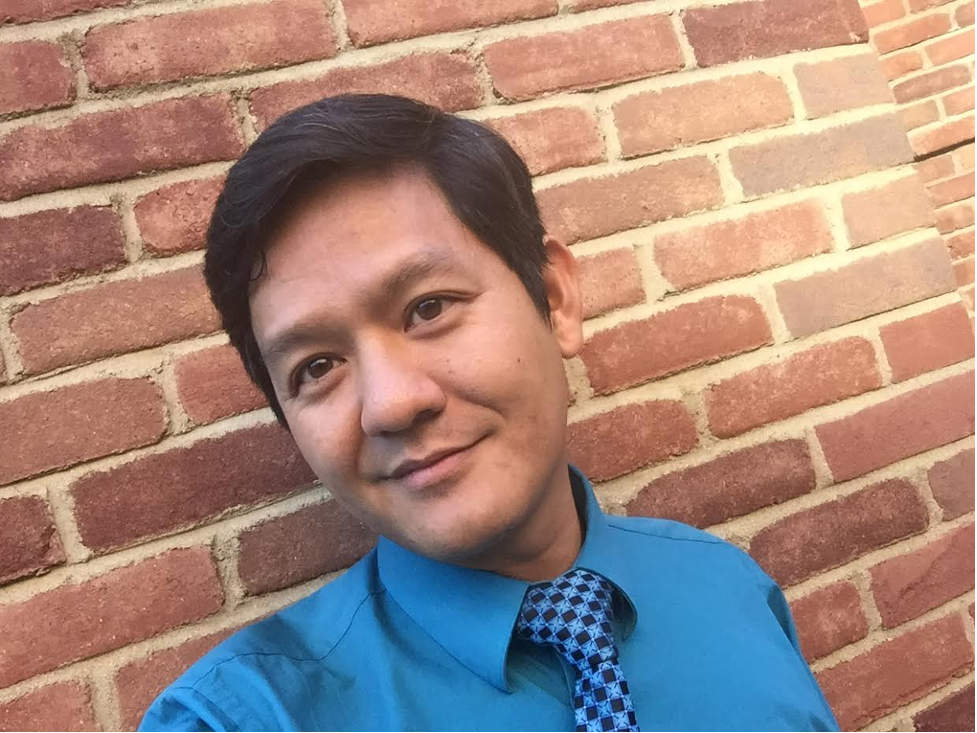
Vu Le writes the blog nonprofitAF.com, which details the humor and frustration of nonprofit work. He is a vegan, Pisces, seitan-worshipper, and defender of the Oxford Comma. Vu has over two decades of experience in the sector, including 13 years as an executive director across two nonprofits. He is one of the co-founders of the Community-Centric Fundraising movement. Vu has written a new book called “Reimagining Nonprofits and Philanthropy: Unlocking the Full Potential of a Vital and Complex Sector,” which his 9-year-old said, “Is not as boring as I thought it would be.” In his free time, Vu hangs out with his kids, watches TV shows and movies, and eats way too much dark chocolate. He has a BA in psychology and a Master of Social Work, which disappoints all his relatives.